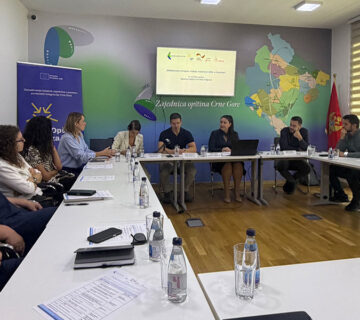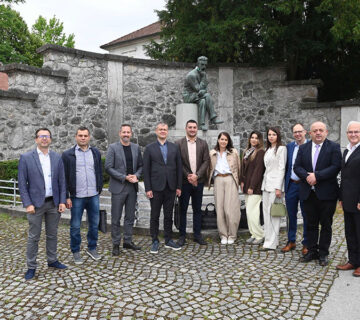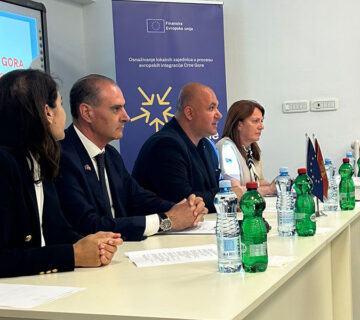


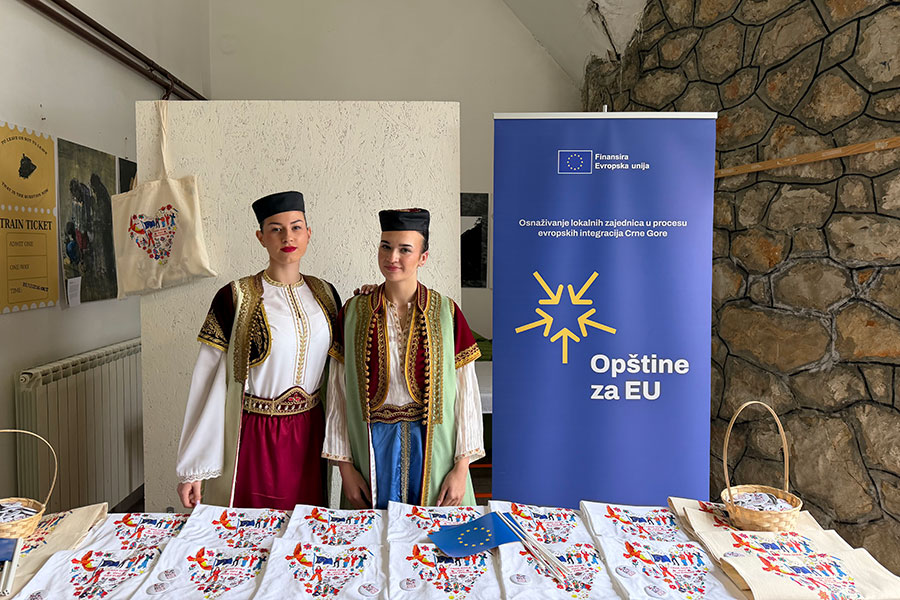
With messages of unity, preservation of identity, and the significance of Montenegro’s European path, Žabljak marked Europe Day today through an institutional and cultural program that gathered representatives of national institutions, the international community, the education sector, and citizens.
The President of the Municipality of Žabljak, Radoš Žugić, the Director of the Directorate for Preschool and Primary Education at the Ministry of Education, Science, and Innovation, Svetlana Drobnjak, and the Head of Cooperation at the Delegation of the European Union to Montenegro, Bernhard Brunet, spoke about European values, cooperation, and the role of local communities in the European integration process.
President Žugić emphasized the importance of celebrating Europe Day in local communities, stating that European values should be built through concrete initiatives and cooperation with citizens.
“We are celebrating Europe Day and showing through our concrete actions that we want to be part of the large European family. Today, Žabljak is a member of international organizations. We have close cooperation with numerous European countries and regions, which demonstrates that we consistently follow the idea of a united Europe,” said Žugić.
Director Drobnjak pointed out the role of education in bringing European values closer to young people and strengthening Montenegro’s European perspective.
“Education in Montenegro represents the threshold upon which the doors of Europe lean—doors to whose values we have long belonged, rather than just aspired to. It is a space where it is daily confirmed that the European process is something lived through knowledge, upbringing, and collective work. It is precisely in the classrooms where the awareness is born that a community is built on understanding, trust, and a readiness to learn from one another. There, in the direct contact between students and teachers, the European spirit is most clearly shaped—one that connects diversities and transforms them into the strength of unity. This is why our educators are among the most important carriers of European values in society,” said Drobnjak.
The Head of Cooperation, Bernhard Brunet, stressed the importance of the partnership between the European Union and local communities in the integration process and the improvement of citizens’ quality of life.
“Europe is built at the local level. It is built through better infrastructure, stronger local economies, higher quality services, and a cleaner environment. This is exactly where the European path becomes real—through the cooperation of national institutions, local authorities, and communities that brings tangible benefits to citizens,” said Brunet.
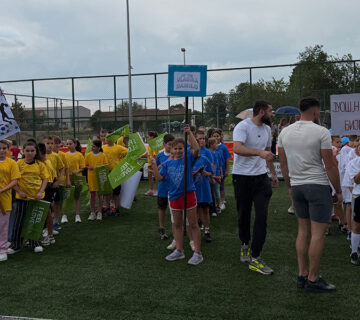
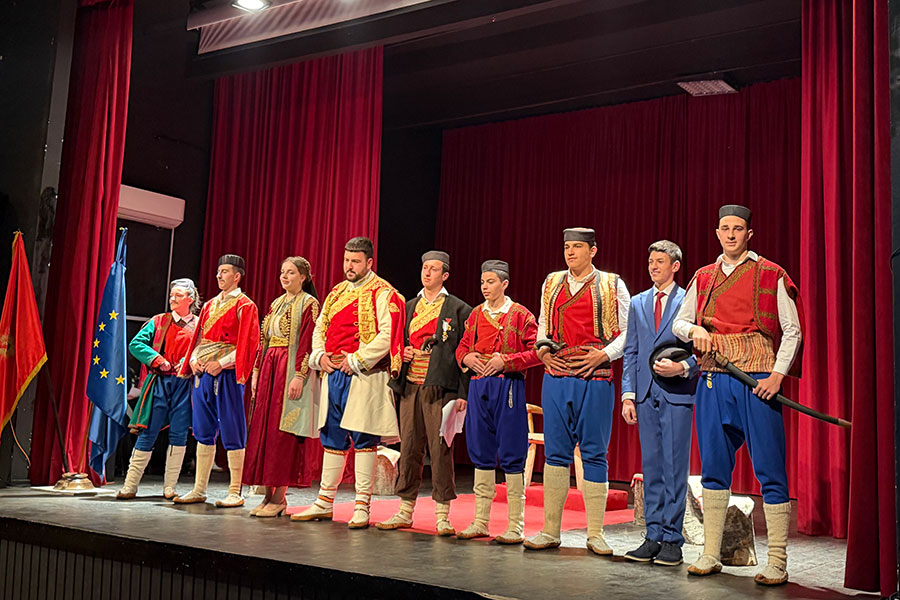
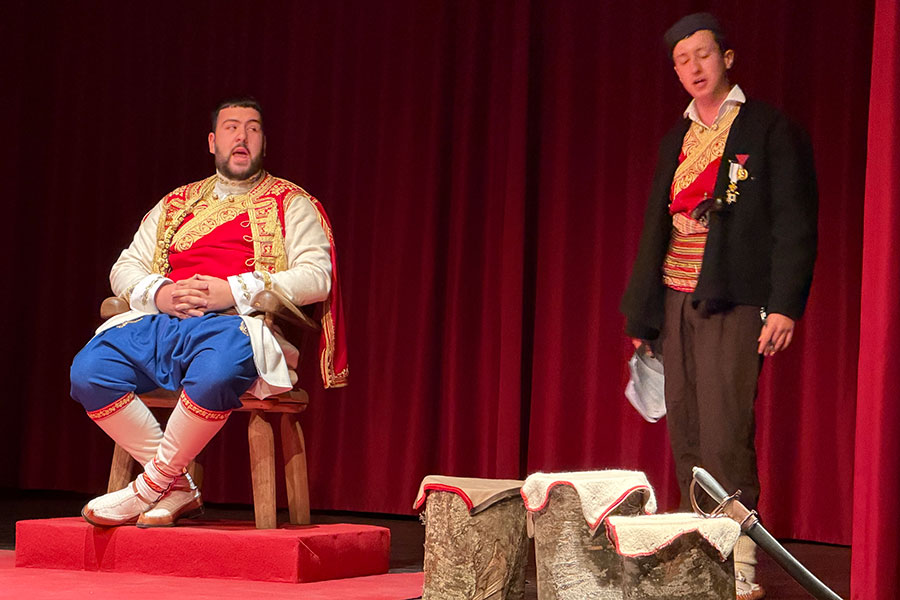
The cultural program titled “Europe – That Is Us,” prepared by the students and teachers of the “17. septembar” Secondary School, bridged Montenegro’s historical identity with its contemporary European path through music and drama.
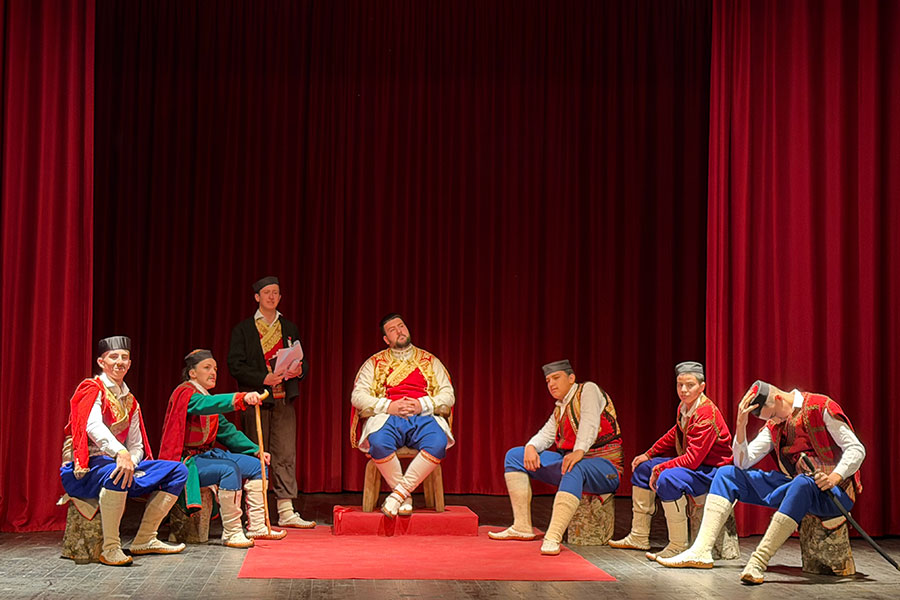
The program opened with the performance of the national anthem of Montenegro and the anthem of the European Union, followed by the song “Durmitorka,” performed by student Milice Aleksić. The central part of the program featured a dramatic scene titled “A Long Road to Europe,” which symbolically depicted the beginning of the 20th century and Montenegro’s participation in the International Exhibition in London, highlighting the long-standing connection between Montenegro and European values. The program concluded with the performance of the song “Insieme,” carrying a message of unity, cooperation, and a shared European future.
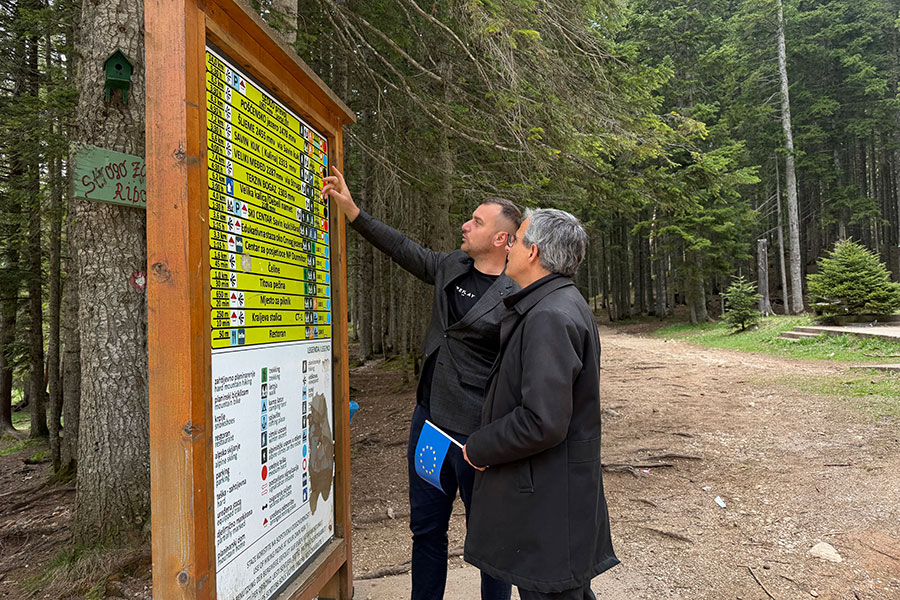
Following the formal ceremony, a visit was organized to the school restaurant “Duga,” where the project “Upskilling – Harmonizing Skills and Local Labor Market Needs,” co-financed by the European Union and the Government of Montenegro, was presented. The delegation then visited Black Lake (Crno jezero) in Durmitor National Park, one of Montenegro’s most iconic natural destinations.
The celebration of Europe Day in Žabljak is part of a national program being implemented throughout Montenegro during May, aiming to bring European values closer to citizens and highlight the country’s European perspective.
The Europe Day events are organized by EU-funded projects—Europe House, EU4ME, and Municipalities for EU—in cooperation with Montenegrin municipalities.