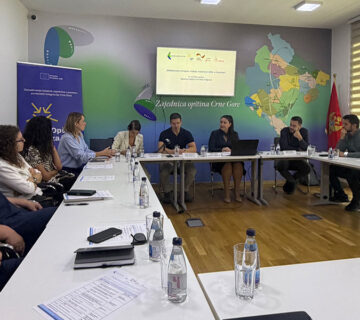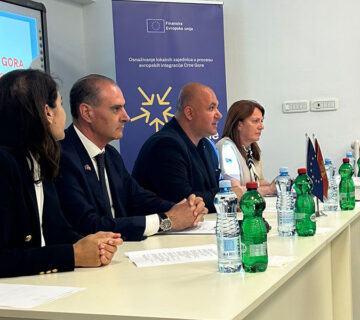


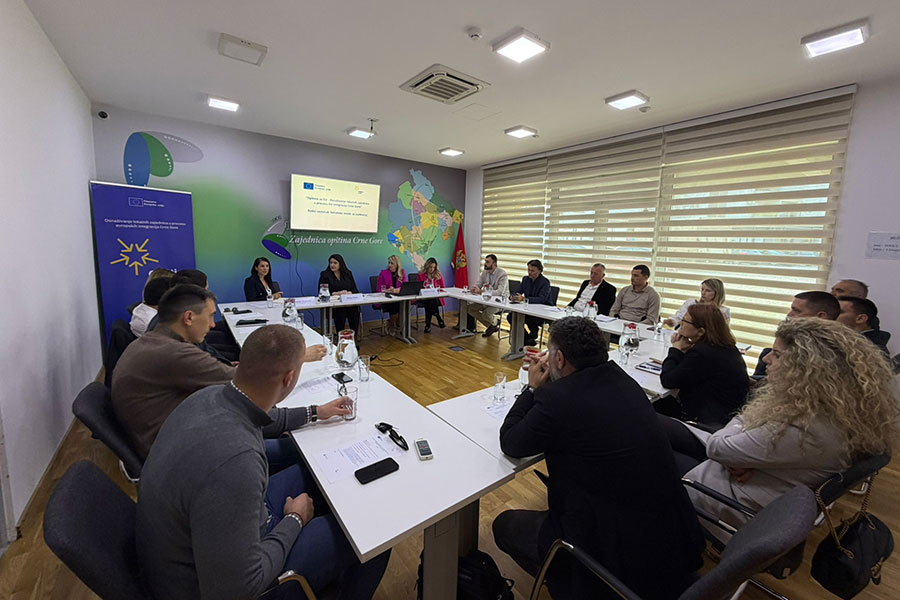
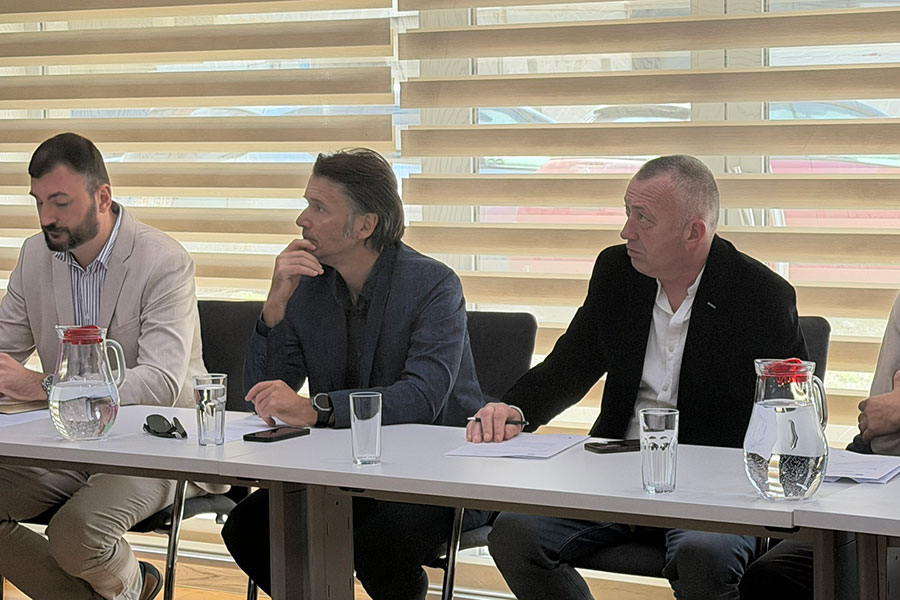
Strengthening cooperation between state institutions and local governments is essential for Montenegro to make more efficient use of European Union funding opportunities in the transport sector in the coming period, it was concluded at the working meeting of the Thematic Network for Transport.
The meeting was organized by the Ministry of Transport, the Union of Municipalities of Montenegro, and the project “Municipalities4EU – Empowering Local Communities in Montenegro’s EU Integration Process,” funded by the European Union.
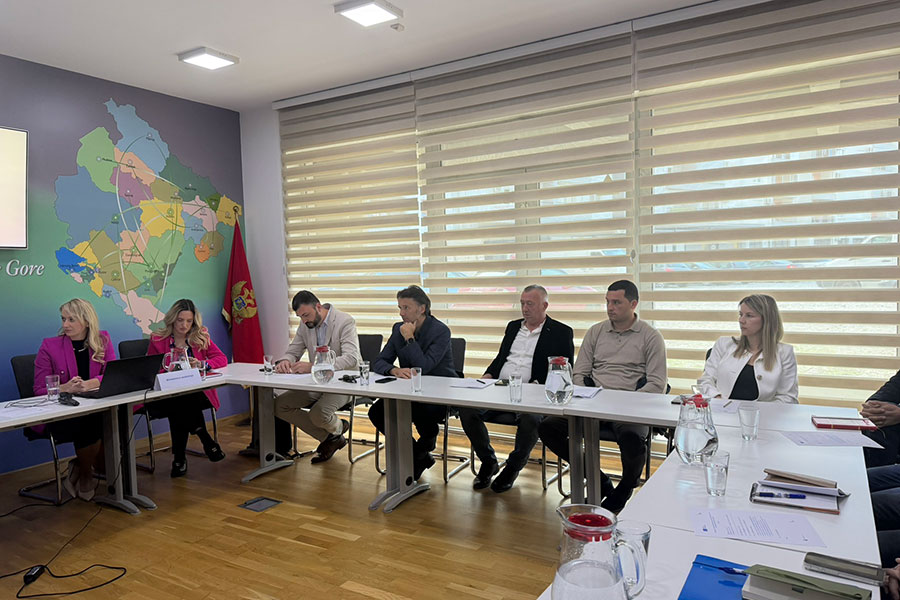
Bojana Laković, Acting Director General at the Ministry of Transport, presented the Ministry’s key activities in the areas of strategic planning and alignment with European standards in the transport sector.
She informed participants that the second phase of updating the Transport Development Strategy of Montenegro for the period 2019–2035 is currently underway, with its adoption expected in the fourth quarter of 2026. As she explained, the updated strategy will provide a clearer vision for the development of the transport system, new projections for transport development, and a list of priority infrastructure and development measures.
Laković also spoke about the implementation of the Law on Road Transport, with particular reference to the responsibilities of local self-governments, as well as the activities carried out within the Reform Agenda in the transport sector, in which municipalities also play an important role.
A special part of the presentation was dedicated to the introduction of Intelligent Transport Systems (ITS) as one of the key directions for modernizing transport in Montenegro. Laković recalled that the state is implementing the ITS Development Programme for the period 2022–2026, while with the support of the European Bank for Reconstruction and Development (EBRD) preparations are underway for the implementation of the system on state roads. The tender for the contractor is expected to be launched in mid-2026.
During the meeting, the Connecting Europe Facility (CEF) was also presented — an EU financial instrument intended for the development of transport, energy and digital infrastructure. In addition to large projects at the national level, CEF also opens opportunities for the involvement of local governments through projects focused on sustainable urban mobility and the improvement of local transport infrastructure.
Anja Belojević, Advisor at the Ministry of Transport, emphasized that local governments will also play an important role in the upcoming period, and that they are expected to intensify activities related to the introduction of advanced traffic management solutions in urban areas.
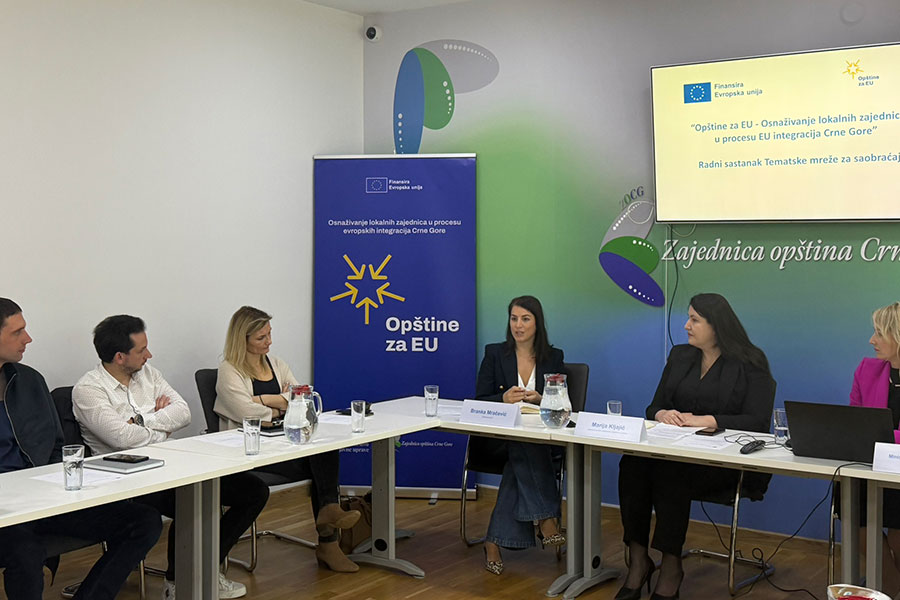
Branka Mračević, Team Leader of the “Municipalities4EU” project, said that as the dynamics of the negotiation process accelerate, it becomes increasingly important for local self-governments to be timely informed, involved in reform processes, and ready to implement new policies and regulations stemming from EU legislation.
“This is precisely why such meetings will become more frequent — because cooperation between the local and central levels is essential for a successful EU accession process,” said Mračević. The Union of Municipalities of Montenegro is committed to improving the legal framework in this area. As explained by Marija Kljajić, Coordinator for Urban Mobility, they have initiated amendments to the Law on Road Transport in order to enable inter-municipal cooperation in this field.
“Local governments are the backbone of the state. However, our shared goal is to meet the needs of citizens, and that is something we should all strive for,” said Kljajić.
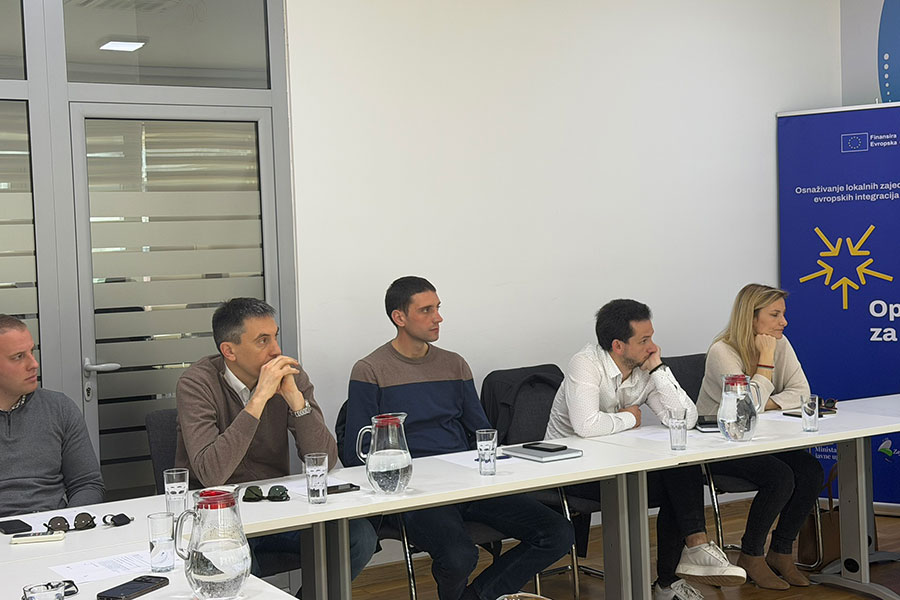
Participants exchanged views on the challenges faced by local governments in the field of transport, as well as on opportunities to strengthen cooperation with state institutions and make better use of available European funds, with the aim of improving transport infrastructure and the quality of life of citizens.
The Thematic Networks were established through the signing of a Memorandum of Cooperation between 25 municipalities and line ministries in December 2024, with the aim of strengthening coordination between the state and local levels, improving information exchange, and enhancing the capacities of municipalities for planning and implementing projects within the EU integration process.