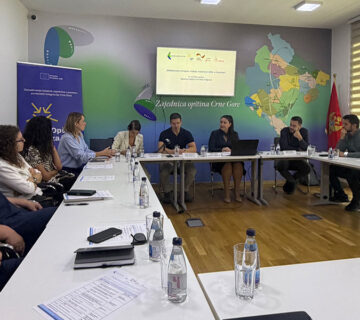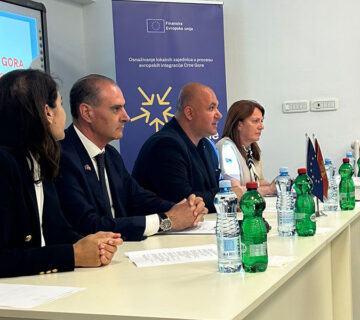


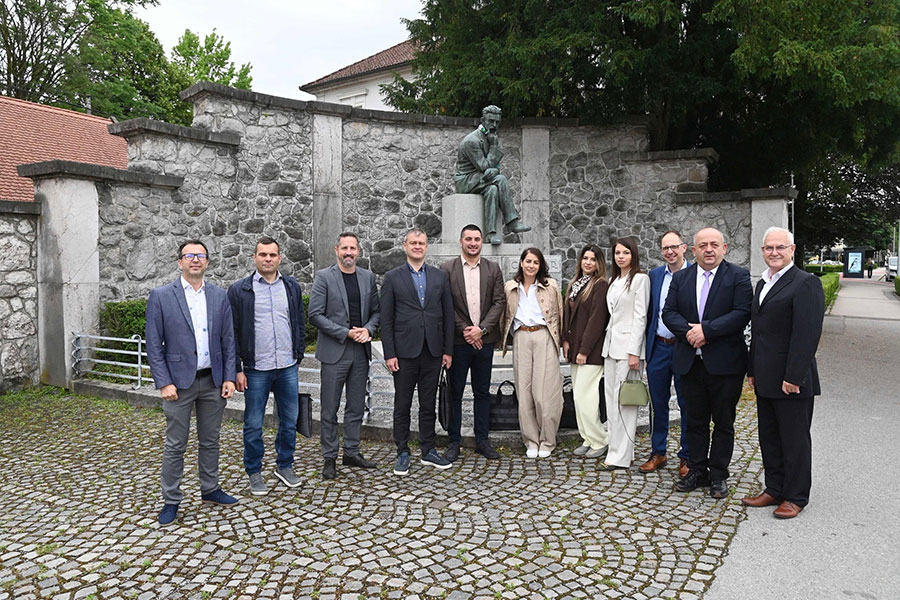
From digital services and participatory budgeting to sustainable tourism, the management of protected areas, successful models of inter-municipal cooperation, and integrated waste management systems, the study visit to Slovenia provided representatives of Montenegrin municipalities with a valuable opportunity to see first-hand how European practices work in the daily life of local communities.
During the five-day visit, a delegation comprising representatives of the municipalities of Plav, Kolašin, Danilovgrad, Petnjica and Plužine, together with representatives of the Union of Municipalities of Montenegro and the “Municipalities for the EU” project, visited Ljubljana, Kranj, Bled, Bohinj, Vrhnika, Cerknica and Ajdovščina to learn about solutions that have contributed to more efficient local administrations and a higher quality of life for citizens.
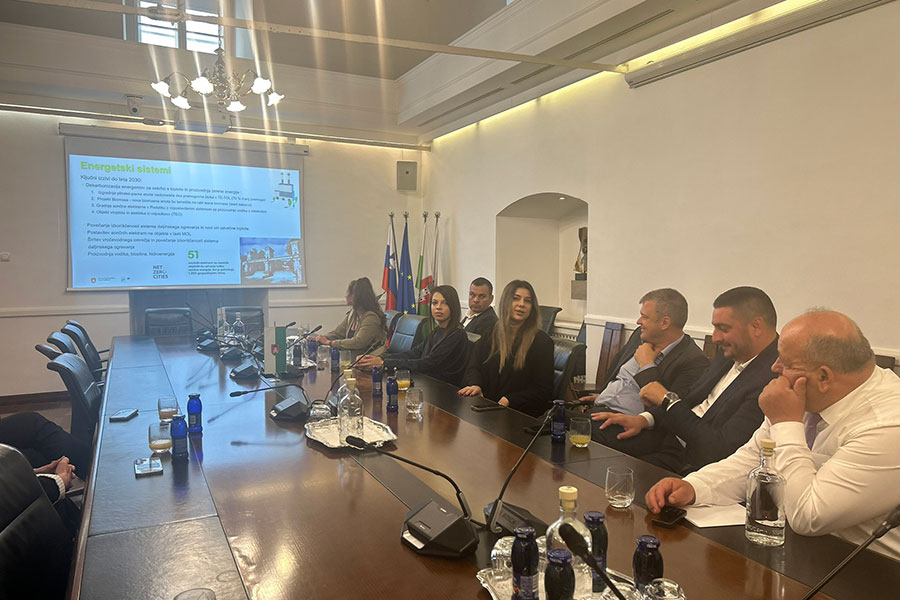
The visit began with a meeting at the Embassy of Montenegro in Slovenia with Ambassador Dragan Tufegdžić and Security Advisor Miloš Vučinić. The discussions focused on opportunities to strengthen cooperation between Montenegro and Slovenia at both the local and national levels. Municipal representatives presented the priorities of their communities, particularly in the fields of environmental protection and agriculture, while the Embassy expressed its readiness to support initiatives that could be implemented through the development assistance programmes of the Republic of Slovenia, in cooperation with the Ministry of Foreign Affairs.
In Ljubljana, participants met with representatives of the Association of Municipalities and Towns of Slovenia to discuss the organisation of local self-government, inter-municipal cooperation, and financing models combining municipal budgets, state support and European funds. They also learned about the green policies of Slovenia’s capital city, including Ljubljana’s experience within the EU Mission “100 Climate-Neutral and Smart Cities” and the process that earned the city the title of European Green Capital.
A particularly strong impression was made by the visit to RCERO Ljubljana, the Regional Waste Management Centre and one of the largest and most successful examples of regional cooperation in this field. Participants gained insight into the functioning of a system connecting several municipalities, the financing of waste management infrastructure, and communication activities aimed at encouraging citizens to adopt more responsible waste management practices.
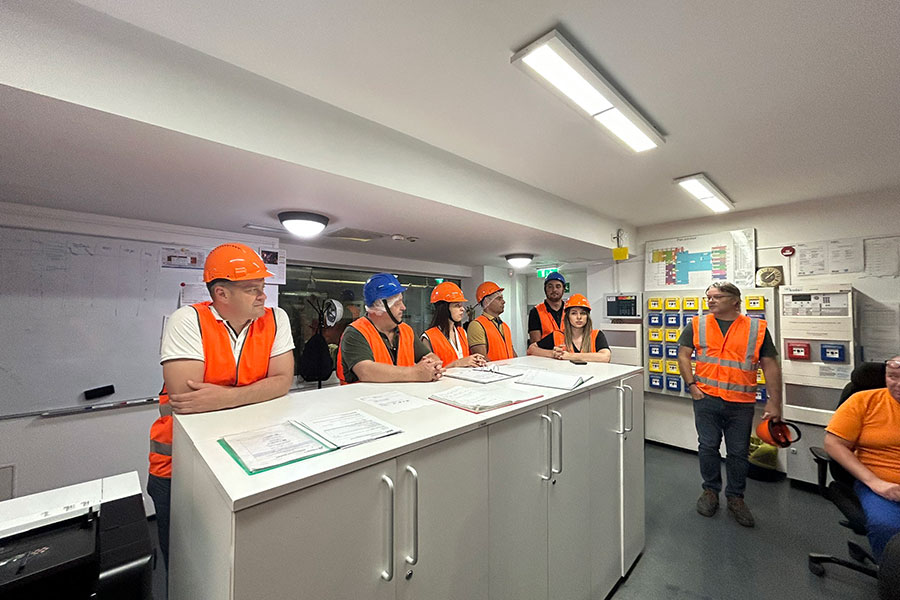
In Kranj, examples of the city’s digital transformation were presented, ranging from the development of digital services for citizens and the improvement of internal administrative processes to the use of GIS systems and data-driven decision-making. Discussions highlighted how digital solutions can contribute to greater transparency, efficiency and improved public service delivery.
In Bled and Bohinj, the focus shifted to sustainable tourism. Participants explored destination branding models, tourism flow management, and ways of balancing the interests of local communities with those of the tourism industry. In the Triglav National Park area, they were introduced to practices for managing protected areas and measures aimed at limiting the negative impacts of tourism while preserving natural resources and supporting local economic development.
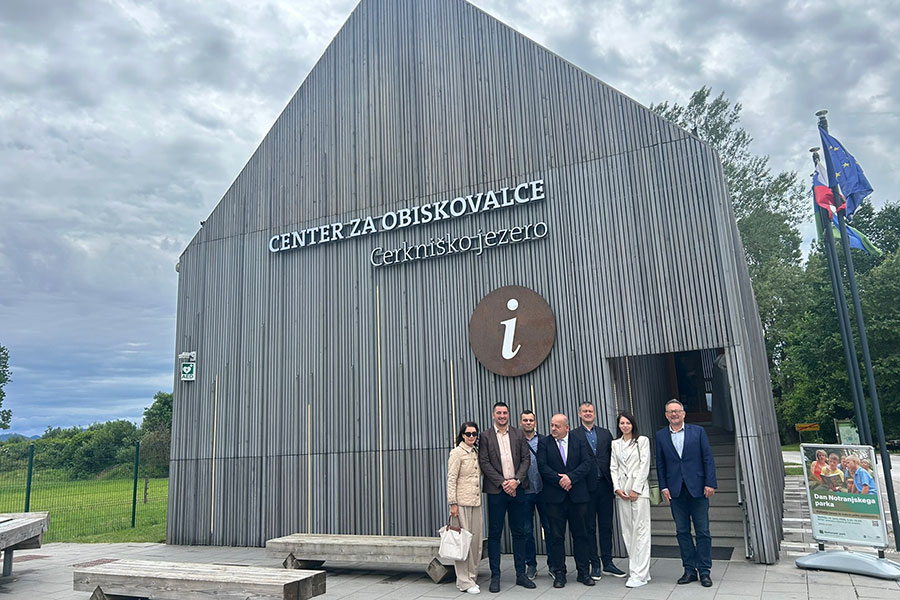
The fourth day of the visit was dedicated to local models that could be adapted and applied in the Montenegrin context. In Vrhnika, participants learned about the results of the “Zero Waste” concept, demonstrating that significant changes can be achieved through relatively low-cost measures when accompanied by political commitment and active citizen participation. In Cerknica, models for managing Natura 2000 sites were presented, alongside concrete examples of European projects contributing to nature conservation and local development. The delegation also visited the Hlejvi outdoor classroom, the award-winning Drvošec thematic trail, and the Cerknica Lake Visitor Centre, where the practical impact of European investments was showcased.
The study visit concluded in Ajdovščina, where participants were introduced to digital tools designed to enhance citizen participation in decision-making processes, participatory budgeting practices, mobile applications, and the use of digital identity as a means of promoting more transparent and efficient local governance.
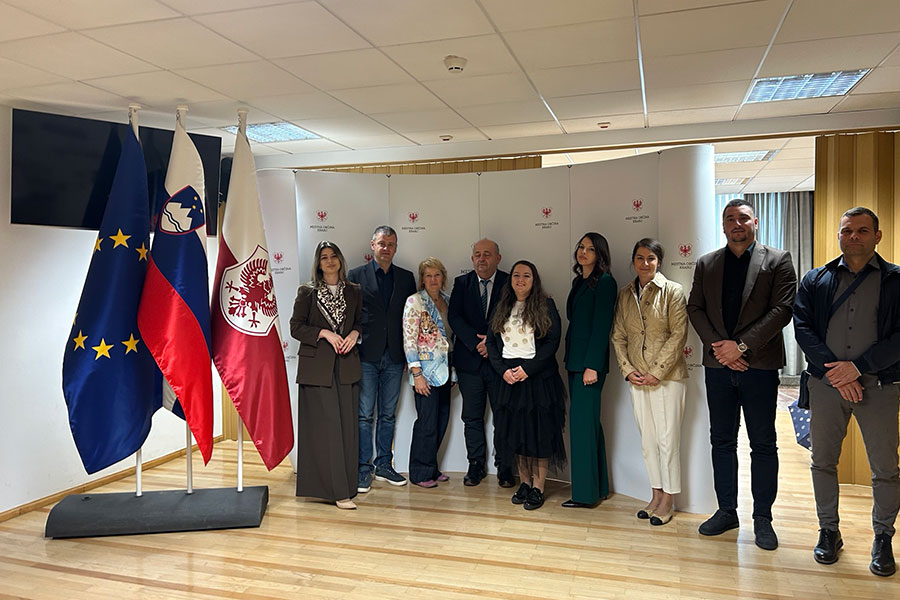
The visit once again demonstrated that European integration is not merely a process of legislative alignment, but also an opportunity for local communities to learn from one another, exchange experiences, and identify solutions that can improve citizens’ everyday lives. The Slovenian examples confirmed that successful local policies are built on cooperation, long-term planning, openness to innovation, and the active involvement of citizens in decision-making processes.
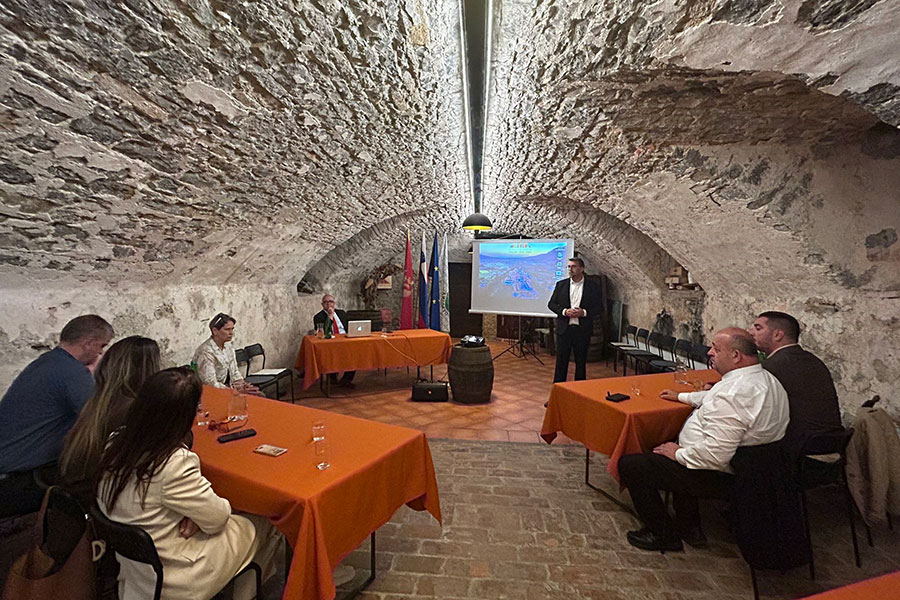
The study visit brought together Belma Šarkinović, Vice-President of the Municipality of Plav; Miodrag Bulatović, Vice-President of the Municipality of Kolašin; Marija Radonjić, Vice-President of the Municipality of Danilovgrad; Samir Agović, President of the Municipality of Petnjica; Slobodan Delić, President of the Municipality of Plužine; Marko Mihailović from the Union of Municipalities of Montenegro; and Branka Mračević, representative of the Municipalities4EU project.
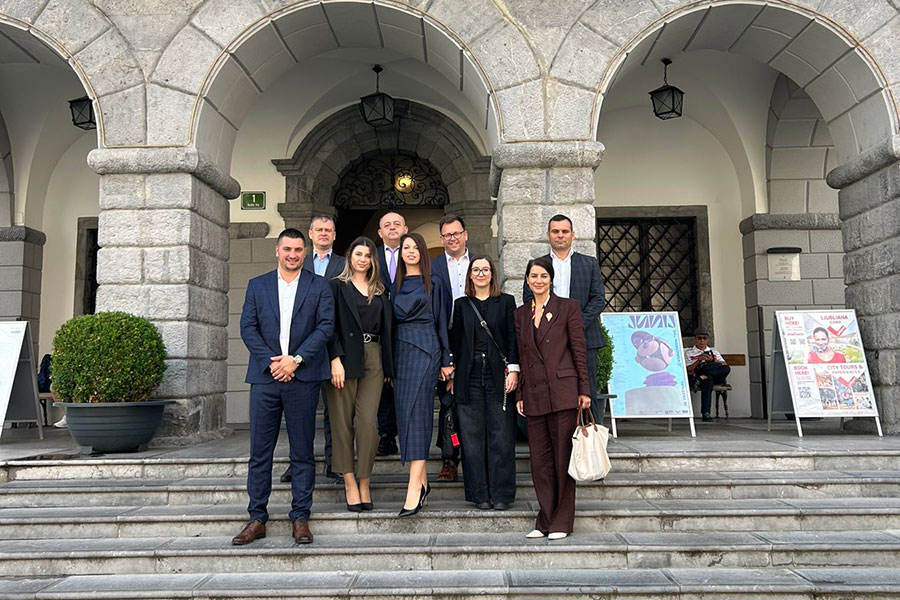
The study visit was organised within the framework of the project “Municipalities4EU – Empowering Local Self-Governments in Montenegro’s European Integration Process”, funded by the European Union and implemented in cooperation with the Ministry of Public Administration and the Union of Municipalities of Montenegro.